How Social Media Is Changing the Way People Understand Politics
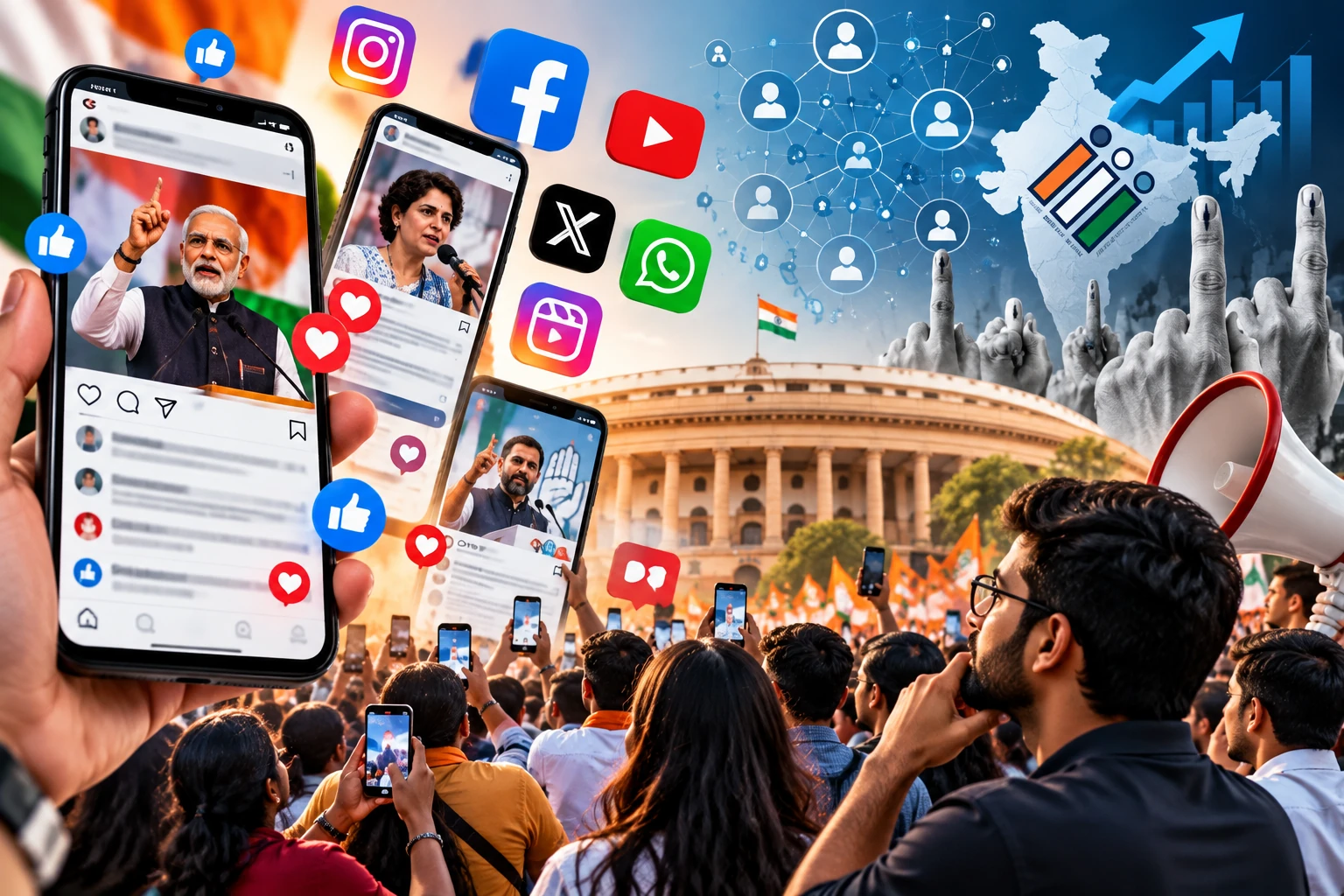
Social media has transformed how people discover political news, discuss public issues, and form opinions about government decisions. In the past, many people depended on newspapers, television broadcasts, and radio programs to understand political developments. Today, information can reach millions of users within minutes through platforms such as Facebook, Instagram, YouTube, and X.
This change has made political information more accessible, but it has also introduced new challenges. Short videos, viral posts, online debates, and misleading claims can influence how people interpret political events. Understanding these changes is essential for becoming a more informed digital citizen.
1. Political News Travels Faster Than Ever
One of the biggest changes brought by social media is the speed at which political information spreads. Users can share speeches, election announcements, policy updates, and public statements almost instantly.
This speed allows people to follow developments without waiting for the next newspaper edition or television bulletin. Important events can also reach audiences who might not regularly follow traditional news sources.
However, speed does not guarantee accuracy. An incomplete video or an unverified claim may spread widely before reliable information becomes available. Readers should check the original source and look for confirmation from credible news organizations before accepting or sharing political content.
2. Politicians Can Communicate Directly With the Public
Social media gives political leaders and public representatives channels to communicate directly with citizens. They can publish announcements, explain policies, respond to criticism, and share information about public events.
This direct communication can reduce dependence on traditional media intermediaries. Citizens can also respond through comments, questions, and public discussions.
However, a politician’s social media account usually presents information from that person’s own perspective. Official announcements may provide useful details, but independent reporting and original policy documents can offer additional context.
Comparing different sources helps people distinguish between a political message and a complete explanation of an issue.
3. Short Videos Influence Political Understanding
Short-form videos have become an important way for people to encounter political topics. A brief clip can explain a policy, summarize a speech, or highlight a public controversy.
Visual content can make complicated subjects easier to approach, especially for people who prefer watching videos to reading lengthy reports.
The limitation is that complex political issues rarely fit neatly into a few seconds. A short clip may omit important context, while dramatic editing, music, or captions can influence how viewers interpret what they see.
Watching the full speech, reading the original statement, or checking a detailed explanation can help prevent misunderstandings.
4. Algorithms Shape the Political Content People See
Social media platforms use algorithms and other recommendation systems to select content for users’ feeds. These systems can influence which political stories, opinions, and videos people encounter.
For example, if someone frequently watches videos about a particular public issue, a platform may recommend similar content. This can make it easier to explore a topic, but it may also limit exposure to different perspectives.
A 2024 Pew Research Center study found that 74% of X users surveyed in the United States encountered at least some political content on the platform.
Users can broaden their understanding by following credible sources with different viewpoints and actively searching for information beyond their usual feeds.
5. Political Influencers Are Becoming Important Voices
Political discussions are no longer limited to elected representatives, journalists, and professional commentators. Content creators and online influencers increasingly explain current events to their audiences.
Some simplify complex policies, interview experts, or discuss issues that receive limited attention elsewhere. Their conversational style can make political information more approachable.
However, popularity does not automatically indicate expertise or accuracy. Influencers may express personal opinions, overlook important details, or promote content that supports their interests.
Viewers should distinguish between factual reporting, personal commentary, sponsored content, and political advocacy. Checking claims against original documents and reliable reporting can provide a more complete understanding.
6. Misinformation Can Change Public Perceptions
False or misleading information is one of the major challenges of online political communication. An edited video, fabricated quotation, misleading headline, or digitally altered image can create confusion about public events.
The speed of sharing makes this problem particularly difficult because people may forward a claim before checking whether it is accurate.
Research from Pew Research Center in 2024 found that many American social media news consumers reported encountering information that appeared inaccurate.
Pew Research Center
+1
To reduce the risk of being misled, check publication dates, identify the original source, look for independent confirmation, and be cautious about sensational claims. Images and videos should also be checked for context before conclusions are drawn.
7. Citizens Have More Opportunities to Participate
Social media has created additional ways for people to participate in public discussions. Citizens can raise local concerns, discuss government services, share experiences, and learn about civic initiatives.
Online campaigns can also help organizations coordinate events, communicate information, and bring attention to public issues.
However, online engagement is not the same as understanding every side of an issue. Meaningful civic participation also involves evaluating evidence, listening to different perspectives, and learning how policies affect communities.
People can use social media as a starting point while consulting official government information, credible journalism, and primary documents for deeper understanding.